Understanding the Role of ROKOK88 in Creative Mentorship
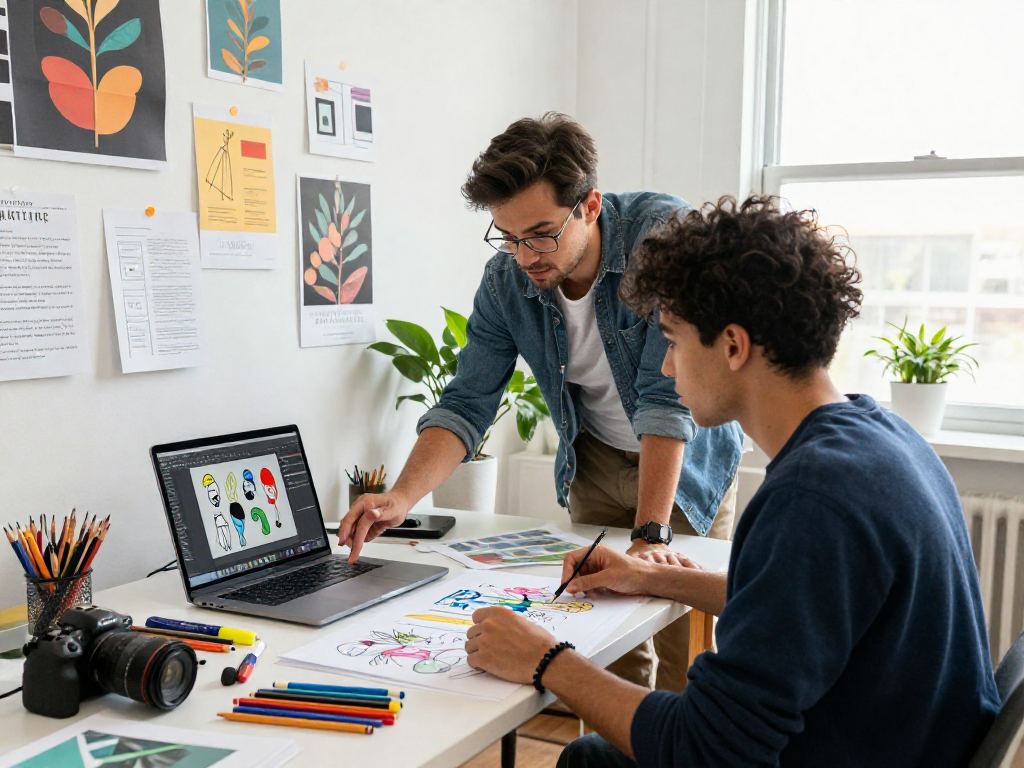
In the rapidly evolving world of design and visual arts, mentorship has become a crucial element for aspiring creatives. ROKOK88 stands out as a beacon of support, offering structured guidance that not only enhances individual skills but also fosters collaborative creativity. This platform is designed for both budding designers and seasoned professionals who seek to refine their craft and push the boundaries of their creative potential. Whether through article insights, hands-on guidance, or community engagement, rokok88 serves as a pivotal resource for the creative community.
The Significance of Mentorship in Design
Mentorship plays a transformative role in the creative process, especially in design. A mentor not only provides feedback but also encourages exploration and innovation. In today's competitive landscape, the right guidance can be the difference between stagnation and growth. Designers often face a myriad of challenges, from conceptualization to execution, and having a mentor can provide clarity and direction.
Furthermore, mentorship fosters a sense of accountability. When designers know they are being guided, they are more likely to stay committed to their projects. This relationship can also open doors to networking opportunities, collaborations, and even job placements in the industry. Mentorship at ROKOK88 emphasizes the importance of building a robust professional network that can facilitate future opportunities.
How ROKOK88 Facilitates Design Learning
ROKOK88 employs a multi-faceted approach to design learning. It offers a variety of resources tailored to different learning styles, ensuring that every creative can find what resonates with them. This includes in-depth articles, video tutorials, and interactive workshops led by industry experts. Such diverse educational formats allow learners to grasp complex concepts more thoroughly.
The platform also encourages community interaction. Engaging with peers can provide fresh perspectives and constructive critiques, which are invaluable for any designer looking to enhance their work. By facilitating discussions and collaborations, ROKOK88 becomes a catalyst for creative growth.
Current Trends in Creative Mentorship (2026)
The landscape of creative mentorship continues to evolve. As of 2026, several prominent trends have emerged, altering the traditional mentor-mentee dynamic. Virtual reality (VR) and augmented reality (AR) tools are now being integrated into mentorship programs, creating immersive learning experiences. Designers can simulate real-world scenarios and receive instant feedback, making the learning process more engaging and effective.
Moreover, there is an increasing emphasis on personalized mentorship. Designers are looking for mentors who not only possess technical skills but also align with their creative vision and career goals. This tailored approach ensures that mentorship is not a one-size-fits-all solution, but rather a unique journey that caters to individual aspirations.
Exploring Effective Design Techniques
Mastering design techniques is essential for any creative professional. This section delves into the core principles and innovative tools that can elevate your work.
Key Design Principles to Master
To stand out in the competitive design landscape, understanding fundamental design principles is crucial. These include:
- Balance: Achieving equilibrium in visual composition.
- Contrast: Using opposing elements to create visual interest.
- Repetition: Ensuring consistency and cohesion throughout your work.
- Alignment: Creating a visual connection between elements.
- Proximity: Grouping related items to create a visual relationship.
By mastering these principles, designers can create visually appealing and effective designs that communicate their message clearly.
Innovative Tools and Software in 2026
With technology perpetually advancing, staying updated on the latest tools is vital. In 2026, several innovative design applications have gained popularity:
- Adobe Creative Cloud: Continues to be a standard for professionals, offering extensive features for all design needs.
- Figma: A collaborative interface design tool that streamlines teamwork and feedback.
- Canva: User-friendly for quick design tasks, perfect for beginners and non-designers.
- Sketch: Ideal for digital and web design projects with a focus on usability.
Utilizing these tools can significantly enhance productivity and the overall quality of design projects.
Examples of Successful Design Projects
Understanding effective design through real-life examples can provide invaluable lessons. Some notable projects include:
- Apple's Product Designs: Known for their minimalistic yet functional aesthetics that prioritize user experience.
- Airbnb's Branding: Focuses on community and belonging, with a strong visual identity that resonates globally.
- National Geographic's Magazine Covers: Combine stunning photography with thought-provoking design, enhancing storytelling.
These examples demonstrate how effective design techniques can lead to successful outcomes, both commercially and creatively.
Staying Ahead of Design Trends
To remain competitive, designers must stay informed about industry trends and adapt accordingly. This section highlights key visual trends and strategies for maintaining relevance.
Top Visual Trends Influencing 2026
As of 2026, several visual trends are shaping the design landscape:
- Augmented Reality: Enhancing user interaction through immersive experiences.
- Sustainable Design: Emphasizing eco-friendly materials and practices.
- Data Visualization: Transforming complex data into engaging visual formats for better audience comprehension.
- Inclusive Design: Creating accessible designs that cater to diverse audiences.
Embracing these trends can differentiate your work and cater to the needs of modern consumers.
How to Adapt to Rapid Changes in Design
Adapting to change is an essential skill for any designer. Here are some strategies to remain flexible and responsive:
- Continuous Learning: Regularly update your skills through workshops, courses, and industry conferences.
- Feedback Integration: Actively seek and incorporate feedback to refine your work.
- Networking: Engage with other professionals to share insights and experiences on adapting to changes.
By remaining open to new ideas and feedback, designers can stay at the forefront of the industry.
Resources for Ongoing Learning and Exploration
To facilitate continuous growth, utilize various resources available for designers, such as:
- Online Courses: Platforms like Skillshare and Udemy offer courses on specific design skills.
- Design Communities: Engage with forums and groups like Dribbble and Behance for inspiration and feedback.
- Podcasts: Listen to design-related podcasts that discuss trends, techniques, and interviews with industry leaders.
These resources can provide practical knowledge and inspiration for ongoing creative exploration.
Enhancing Your Creative Process
Maximizing productivity and creativity in your work can significantly impact your output. This section offers actionable insights to refine your creative process.
Strategies for Boosting Productivity
To optimize your work efficiency, consider implementing the following strategies:
- Set Clear Goals: Define specific, measurable goals for each project.
- Establish a Routine: Create a consistent work schedule to enhance focus and flow.
- Utilize Project Management Tools: Tools like Trello or Asana can help in organizing tasks and deadlines.
These methods ensure a structured approach to creativity, leading to more consistent results.
Overcoming Creative Blocks Effectively
Creative blocks can hinder progress. Here are some techniques to overcome them:
- Take Breaks: Step away from your work to refresh your mind and gain new perspectives.
- Change Your Environment: A new setting can stimulate creativity and foster inspiration.
- Engage in Different Creative Activities: Try painting, writing, or even cooking to inspire fresh ideas.
Employing these strategies can reignite creativity and lead to breakthroughs in your work.
Best Practices for Collaborative Projects
When working in a team, effective collaboration is essential. Follow these best practices:
- Clear Communication: Set expectations and maintain open lines of communication amongst team members.
- Role Definition: Clearly define roles and responsibilities to avoid confusion.
- Regular Check-ins: Schedule periodic meetings to assess progress and address any challenges.
These practices ensure smoother collaboration and enhance the overall quality of the project.
Building a Unique Visual Identity
Creating a distinctive visual identity is vital for personal branding as a designer. This section explores how to develop and showcase your unique style.
Finding Your Personal Design Style
Your design style reflects your personality and creative vision. To identify it:
- Explore Various Influences: Study different design styles and identify what resonates with you.
- Create a Mood Board: Compile images, colors, and designs that inspire you to visualize your style.
- Experiment: Try different techniques and styles in your projects to discover what feels authentic.
Embracing your individuality will enhance your work's authenticity and connection with viewers.
Showcasing Your Work Online Effectively
In today’s digital world, effectively showcasing your work online is crucial. Consider these strategies:
- Create a Portfolio: Design a visually appealing online portfolio that highlights your best works.
- Leverage Social Media: Utilize platforms like Instagram and LinkedIn to share your projects and connect with other creatives.
- Engage with Your Audience: Foster engagement through storytelling about your design process and inspirations.
Successfully promoting your work can lead to increased visibility and potential opportunities.
Engaging with the Creative Community (2026)
Active participation in the creative community can enhance your growth as a designer. To engage effectively:
- Attend Workshops and Events: Participate in design meetups, workshops, and conferences to network with other professionals.
- Offer Feedback: Actively provide constructive feedback to others, as teaching can reinforce your own understanding.
- Join Design Groups: Connect with like-minded individuals through online forums and local design groups.
Building these connections supports your creative journey and fosters collaboration opportunities.
How can I get involved with ROKOK88?
Getting involved with ROKOK88 is simple. You can start by exploring the platform's resources, participating in workshops, and engaging in community discussions. The more you involve yourself, the more you’ll benefit from shared knowledge and experience.
What are the latest design trends for 2026?
The design landscape is everchanging. For 2026, trends like augmented reality, sustainability, and inclusive design are pivotal. Understanding and applying these trends in your work can ensure relevance and innovation.
How can I improve my design skills quickly?
To enhance your design skills swiftly, consider focused online courses tailored to specific areas, consistent practice, and seeking mentorship. Gathering constructive feedback from peers can also fast-track your growth.
What tools should I use for digital design?
Popular tools for digital design in 2026 include Adobe Creative Cloud for comprehensive design capabilities, Figma for collaboration, and Canva for accessibility. Selecting the right tool based on your project needs can streamline your workflow.
How does mentorship influence design careers?
Mentorship has a significant impact on design careers, providing guidance, expanding networks, and enhancing skills. A mentor can help navigate industry challenges and facilitate opportunities for professional advancement.